
Multiplexes, Backyards, and Bylaws: The Quick Guide to Halifax’s New Zoning Rules
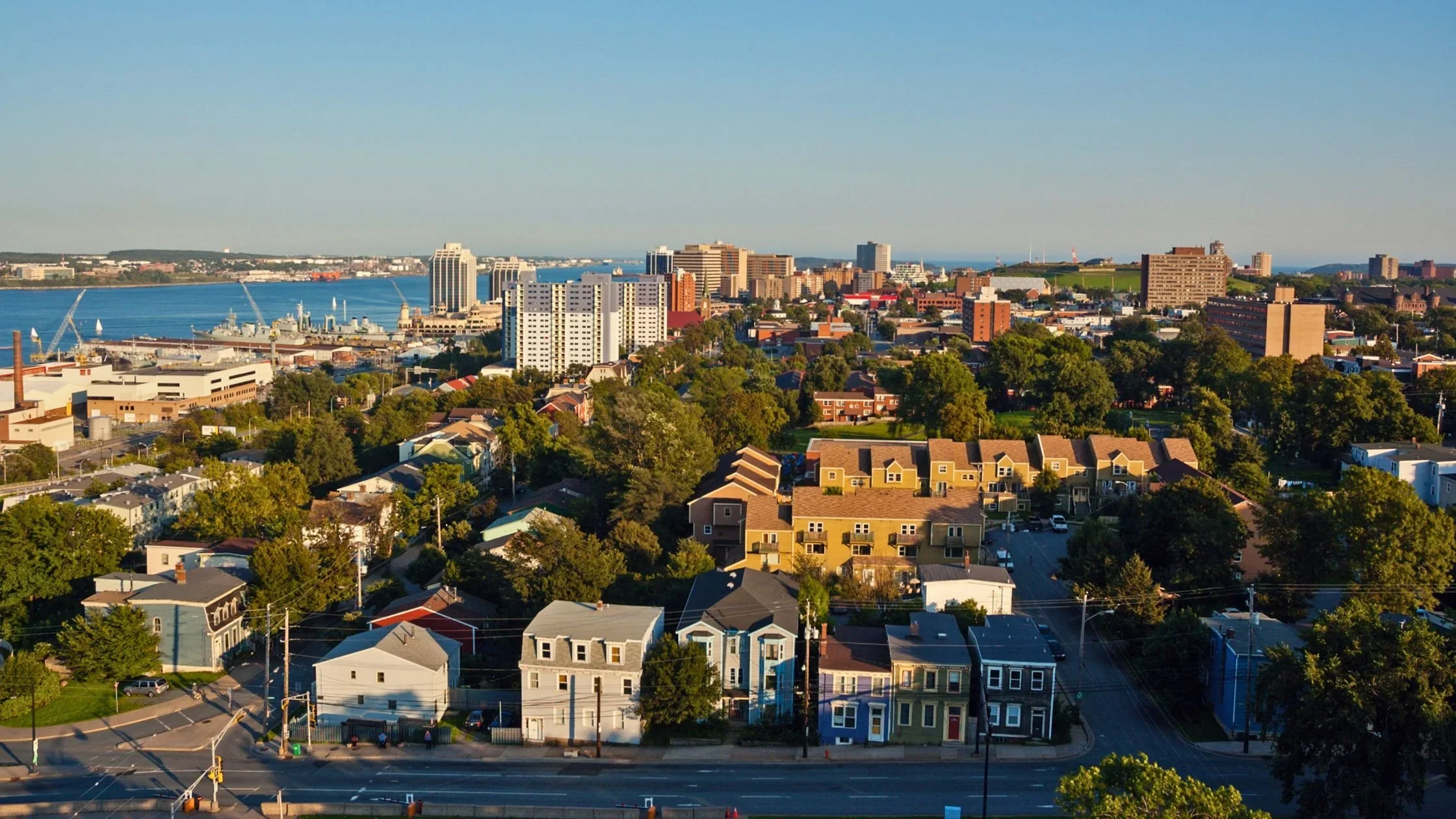
If you’ve walked through the North End, Quinpool, or Downtown Dartmouth lately, you’ve probably noticed something new. Right in the middle of a row of classic, colorful Halifax homes, a sharp-edged, ultra-modern residential multiplex has appeared.
These new multi-unit buildings are popping up everywhere. Back in 2024, the city changed the rules to allow more housing on standard city lots. But now, in mid-2026, the municipality is putting on the brakes to fix some growing pains.
Following a major public feedback campaign that wrapped up this spring, Halifax is updating its Centre Plan. Whether you want to protect your backyard privacy, find an affordable place to live, or build a rental unit, these changes affect you.
Here is the quick, no-jargon breakdown of what is happening right now.
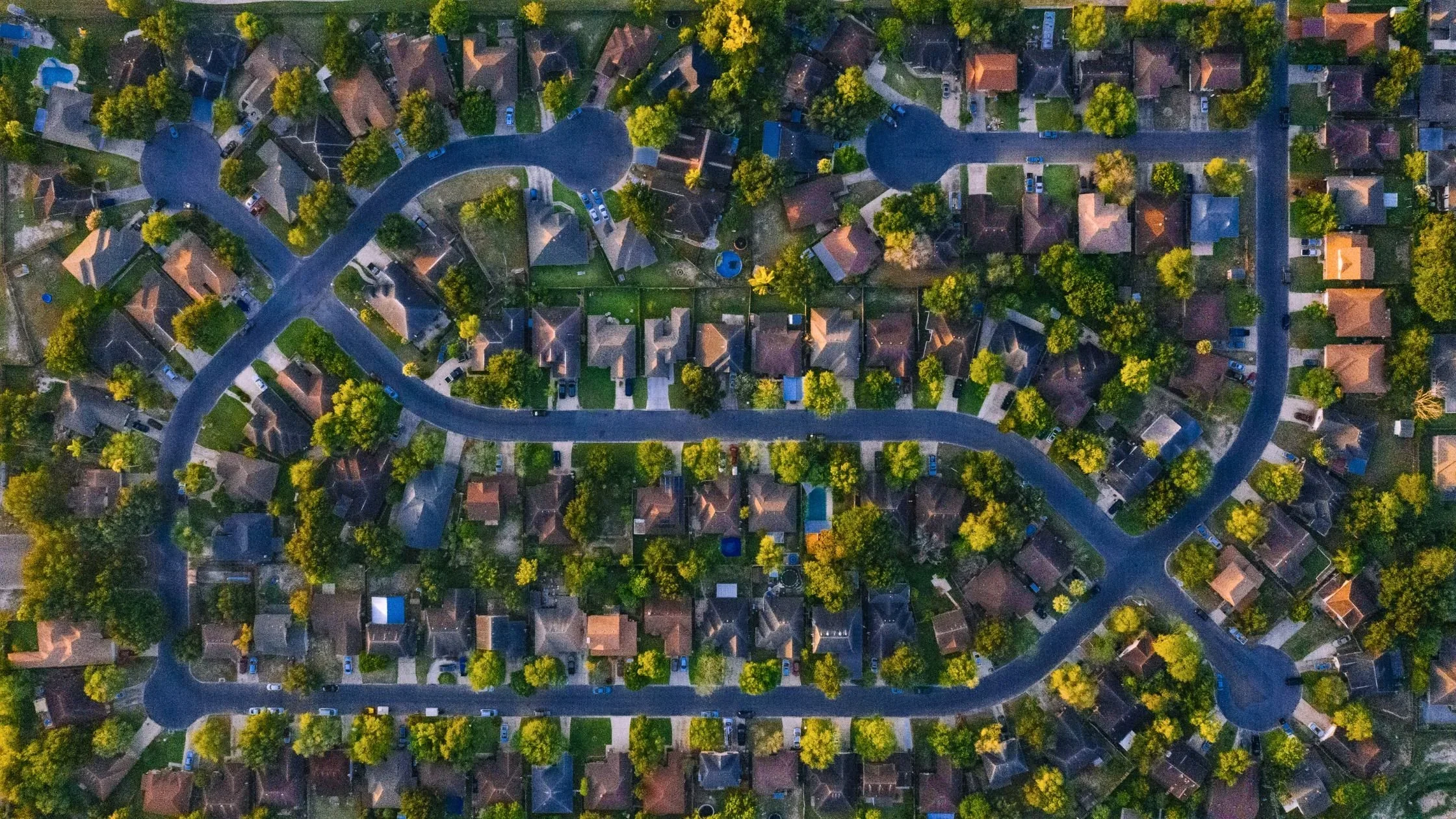
What is the "Missing Middle"?
Urban planners love the phrase "missing middle." Think of it as the Goldilocks of housing: it’s not a massive 20-story concrete tower, but it’s also not a single-family detached house. It’s the stuff in between.
Duplexes & Triplexes (Two or three units together)
Townhouses & Rowhouses (Like the classic Hydrostone look)
Small Multiplexes (4 to 8 apartments neatly tucked onto a single lot)
The goal is gentle density—adding more homes inside the city where bus routes, water lines, and local shops already exist, rather than sprawling further out into the woods.
The Current Rules: Size Matters
Right now, on most residential streets across the Peninsula and urban Dartmouth (known as ER-3 zones), the number of units you can build depends entirely on how big your lot is in square feet:
Lot Size
What You Can Build As-Of-Right:
Any Lot Size: Up to 4 units (e.g., a house + basement suite + backyard cottage)
Medium Lot (Approx. 4,000 to 6,450 sq. ft.): Up to 5 to 7 units
Large Lot (6,460+ sq. ft.): Up to 8 units
Because of these rules, developers have been aggressively buying up older homes to replace them with 6 or 8-unit buildings.

The 2026 Plot Twist: 4 New Rules on the Table
While the current rules successfully triggered new housing construction, some of the new buildings are massive. Neighbours have complained about losing sunlight, privacy, and green space.
To fix this, the city is proposing four major design rollbacks for future builds:
1. Capping the Height
The Current Rule: Buildings can be 36 feet tall, but developers get an extra 10-foot exemption if they use a sloped roof. This results in towering 46-foot buildings next to small bungalows.
The 2026 Proposal: Eliminate the roof loophole. Cap heights strictly at 36 feet, or allow up to 43 feet only if the top floor is stepped back from the edge so it doesn't loom over the street.
2. Saving the Backyard
The Current Rule: Multi-unit buildings can cover up to 50% or 60% of the entire lot.
The 2026 Proposal: Cut maximum lot coverage down to 40% to preserve backyards, trees, and grass, which helps absorb heavy rain.
3. Pushing Buildings Back
The Current Rule: New multiplexes can often sit right on the old property lines of the house they replaced.
The 2026 Proposal: Force any building with 5 to 8 units to be set much further back from neighbouring fences.
4. The Staircase Standoff
The Current Rule: To save indoor space, developers are sticking metal fire escapes and emergency staircases on the outside of buildings, hanging right over the neighbour's property line.
The 2026 Proposal: A flat-out ban on exterior staircases sticking out into the side yards.

The Big Showdown: Neighbourhood Vibe vs. Simple Math
This debate has split the city into two camps, and both have a point:
The Neighbours say: Without these rules, developers will build giant boxes that block out the sun, kill mature trees, and ruin the charm of historic streets.
The Builders say: Land and construction costs in Halifax are sky-high. If the city forces us to shrink the building footprint and chop off the top floor, projects won't make financial sense anymore. If builders stop building, the housing shortage gets worse, and rent keeps climbing.

What This Means for You
If you are a regular homeowner: You are fine. If your only goal is to build a small backyard suite or a basement apartment for extra income, these new rollbacks won't affect you. The city still fully supports basic backyard cottages.
If you are a small investor/developer: Your clock is ticking. If you want to build a maximum-sized multiplex under the older, more profitable rules, you need to get your architectural plans submitted to the city before these amendments become law later this year.
If you are a worried neighbour: You can breathe easier. Any new multi-unit building built next door to you in the future will have to be shorter, set further back, and designed to blend in rather than stand out.

Ready to Navigate the Changing Halifax Market?
Whether you are looking to unlock your property’s hidden development potential before the rules change, or you are trying to find a home in a neighborhood that perfectly fits your lifestyle, you don't have to figure it out alone. The Halifax market moves fast, and municipal bylaws move even faster. Reach out to us at Perkins Real Estate today to chat about your next move. Whether you are ready to buy, thinking of selling, or just want to grab a coffee and talk about what these 2026 zoning updates mean for your property's value, we are here to cut through the noise and guide you every step of the way.
Sources & Local Resources
Engage Halifax: Missing Middle Housing Design | Centre Plan Updates (2026). Official Survey & Project Portal.
Halifax Regional Municipality: Housing Accelerator Fund Land Use Bylaws. HRM Urban Zoning Framework.
CTV News Atlantic: Halifax seeks answers to 'missing middle' housing options. Local reporting on developer economics and neighbourhood feedback.
Author: Jordan Gunn
Real Estate Assistant
Perkins Real Estate
Keller Williams Select Realty