
Nova Scotia’s Non Resident Deed Transfer Tax Just Changed: What It Means for Homebuyers, Heirs, and Out of Province Investors
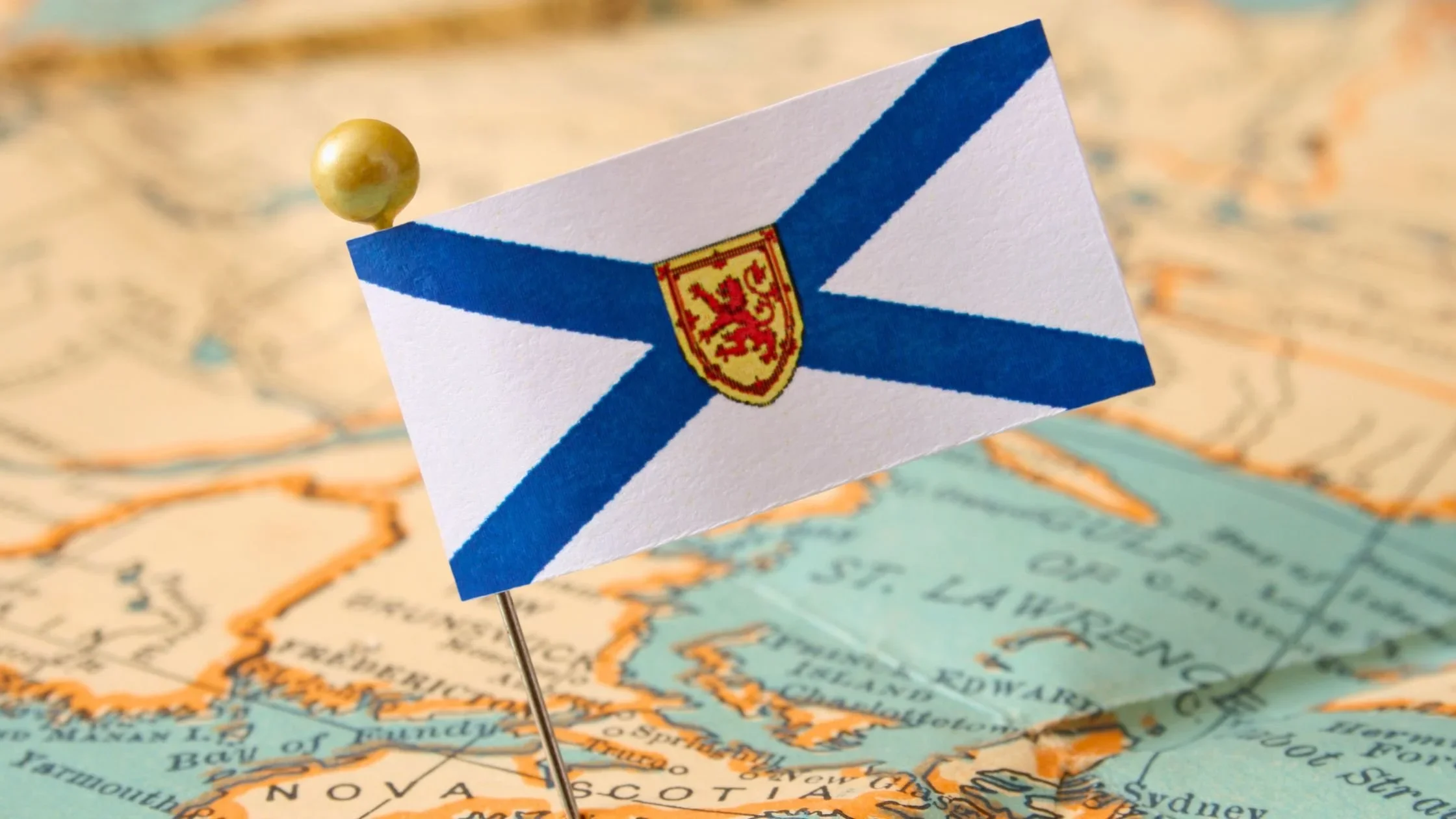
Imagine this: You have found a stunning property in Nova Scotia, perhaps a cozy coastal home in Lunenburg, a trendy duplex in downtown Halifax, or a charming cottage along the Annapolis Valley.
If you plan to pack your bags and move down east, buying real estate here feels like the start of an exciting new chapter. But if you are an out of province real estate investor looking to build a rental portfolio from afar without moving, buying property in Nova Scotia comes with a major financial factor to navigate: the Non Resident Deed Transfer Tax (NRDTT).
According to the official Government of Nova Scotia news release, the province has introduced important administrative updates to the non resident deed transfer tax guidelines.
If you are an out of province investor, a family member inheriting land, or someone planning a multi year move to the Maritimes, these updates change the landscape. Let us get one thing straight right away: the 10% tax is not going away for out of province investors who do not plan to live in Nova Scotia any time soon. However, the updated rules introduce critical flexibility, major exemptions for inherited properties, longer refund windows, and clear strategies for managing investments.
Let us break down everything you need to know, whether you are buying a primary residence or adding a property to your investment portfolio.

Back to Basics: What Is the Non Resident Deed Transfer Tax?
Introduced in 2022, the Non Resident Deed Transfer Tax was designed to generate revenue and moderate housing market pressures by placing an extra tax on buyers who purchase residential real estate without making Nova Scotia their primary residence.
The Core Rules of the Tax:
The Tax Rate: 10% of either the property's purchase price or its assessed value, whichever figure is higher.
Property Cap: It applies strictly to residential properties with three units or less (for example: single family homes, duplexes, triplexes, vacant residential lots, and recreational cabins).
Who Pays: Any buyer who is not a tax resident of Nova Scotia at the time the property deed is officially registered.
The Exemption Rule: Buyers who relocate and establish primary residency in Nova Scotia within a specific timeframe can qualify for a full exemption or refund.
In the 2025 to 2026 fiscal year alone, non residents paid approximately $18.4 million in NRDTT across 1,791 property transactions, according to figures shared by the province.
While the tax continues to serve as a revenue generator and market stabilizer, rigid bureaucratic timelines were penalizing genuine prospective residents and creating confusing hurdles for family estates. That prompted the government to refine how the tax is administered.

The 5 Major Changes Announced by the Province
As Finance and Treasury Board Minister John Lohr noted in the official news release:
"We want to encourage people to move to Nova Scotia, and many do, but for others, sometimes life gets in the way, and the move takes a bit longer than expected. These changes address real life situations that have come up over the past few years. Our goal is to make it easier for those who intend to move here and build a life in Nova Scotia."
Here is a quick breakdown of the five key administrative changes:
Moving Timeline: Extended from 6 months to 1 full year (12 months) to establish primary residency.
Extension Requests: Standardized, clear criteria introduced for extension requests.
Inherited Property: Full exemption for property willed to a non resident after a death.
Refund Window: Extended from 1 year to 2 full years to claim tax refunds.
Refund Payments: Option added for refunds to be issued directly to legal representatives.
1. The Moving Timeline Doubled (From 6 Months to 1 Year)
Buyers now have 12 full months (up from six months) from the date of deed transfer to physically move to Nova Scotia, establish primary residency, and submit proof to avoid the tax.
2. Clear Criteria for Extension Requests
If unforeseen circumstances, such as major structural repair delays, medical emergencies, or employer hold ups, prevent you from moving in time, the province has released clear, standardized guidelines outlining how to qualify for a timeline extension.
3. Complete Tax Exemption for Inherited Property
Residential property that is willed to a non resident following a death is now completely exempt from the 10% tax. Out of province heirs no longer face a heavy financial hit simply for putting their name on a family property deed.
4. Two Full Years to File for a Tax Refund
If you pay the 10% tax upfront at closing but subsequently meet the residency requirements, you now have two full years (instead of one year) from the transaction date to submit your refund paperwork.
5. Refund Payments to Legal Representatives
Buyers can now authorize their lawyer or legal representative to receive refunded tax payments directly, simplifying trust account distributions and legal closings.

The Reality for Out of Province Investors: What Changes (and What Does Not)?
If you are buying real estate strictly as an investment and have zero intention of moving to Nova Scotia, it is vital to look past the headlines and understand how these rules directly impact your balance sheet.
The Tax Is Not Going Anywhere for Pure Non Resident Buyers
The 10% NRDTT remains firmly in place for out of province buyers who purchase 1 to 3 unit residential properties as buy and hold rentals, short term vacation properties, or passive investments (for now).
When analyzing deals from outside the province, you must factor in both the Non Resident Deed Transfer Tax (10%) and the local Municipal Deed Transfer Tax (which typically ranges from 1.0% to 1.5% depending on the municipality).
The Math: Acquisition Costs for Non Resident Investors
$300,000 Purchase / Assessed Value: Municipal Tax (approx. $4,500) plus Non Resident Tax ($30,000) = $34,500 Total Transfer Tax
$500,000 Purchase / Assessed Value: Municipal Tax (approx. $7,500) plus Non Resident Tax ($50,000) = $57,500 Total Transfer Tax
$750,000 Purchase / Assessed Value: Municipal Tax (approx. $11,250) plus Non Resident Tax ($75,000) = $86,250 Total Transfer Tax
Note: Municipal deed transfer rates are established by local municipalities (for example, Halifax Regional Municipality charges approximately 1.1-1.5%) and are separate from provincial taxes.
Key Investor Takeaways from the Updates
The Inherited Rental Advantage: If you are an out of province investor inheriting a residential home, duplex, or triplex in Nova Scotia that was previously owned by a family member, the new inheritance exemption is a massive win. Previously, you would have paid 10% of the property value just to transfer title into your name before renting it out. Now, you take ownership tax free under NRDTT rules, allowing you to maintain the asset as a rental property without writing a five figure check to the government.
The 4 Unit Multi Family Strategy: The NRDTT specifically targets residential properties containing three units or less. Properties with four or more residential units (such as 4 plexes, small apartment blocks, or commercial multi unit developments) are excluded from the NRDTT definition. Savvy non resident investors looking to deploy capital in Nova Scotia without incurring a 10% tax penalty frequently target 4 unit residential buildings or multi family commercial assets rather than single family homes or duplexes.
The 12 Month Pivot Window: If you purchase a residential unit originally intended as a rental property, but your personal circumstances shift and you decide to move into the home yourself within 12 months, the expanded timeline gives you a full year to relocate and reclaim 100% of your NRDTT payment.

Real World Scenarios: How the New Rules Play Out
To see how these guidelines work in everyday life, consider these three distinct scenarios:
Scenario A: The Relocating Family
The Situation: Mark and Sarah live in Calgary. They buy a home in Halifax in October 2026, planning to move permanently down east. However, their oldest child is finishing high school, so they want to wait until July 2027 to move.
Under Old Rules: They had 6 months (until April 2027) to move in. Waiting until July would have meant failing the timeline and forfeiting their exemption.
Under August 2026 Rules: With the 12 month window, they move comfortably in July 2027, establish Nova Scotia residency, and avoid paying the 10% tax entirely.
Scenario B: The Out of Province Heir
The Situation: Karen lives in Vancouver. Her late father left her a duplex in Sydney, Nova Scotia, in his will. Karen wants to hold onto the duplex and rent out both units to local tenants.
Under Old Rules: Karen would have owed 10% of the duplex's assessed value at the time of deed transfer simply because she lived in BC.
Under August 2026 Rules: Inherited property willed following a death is 100% exempt. Karen transfers the deed tax free and begins managing her rental units.
Scenario C: The Pure Real Estate Investor
The Situation: Alex lives in Toronto and wants to buy a single family home in Dartmouth for $450,000 as a long term rental property. He has no plans to move to Nova Scotia.
The Reality: The new policy updates do not eliminate the tax for Alex. At closing, Alex must pay the 1.5% Halifax Municipal Deed Transfer Tax ($6,750) PLUS the 10% Non Resident Tax ($45,000), making his total transfer tax bill $51,750.
The Alternative Strategy: If Alex instead purchases a 4 unit residential building in Dartmouth for $700,000, the 10% NRDTT does not apply because the property has more than three units. He pays only the standard municipal transfer tax.

What Counts as Official Proof of Residency?
If you plan to claim an exemption or refund by moving to the province within the 12 month window, the government requires official documentation to verify that Nova Scotia is your primary home.
Acceptable proof generally includes:
Nova Scotia Health Card (MSI): Confirmation of registration in the provincial healthcare program.
Nova Scotia Driver Licence: Updated with your new residential address.
CRA Tax Filing: Filing your personal income tax return as a resident of Nova Scotia.
Utility and Housing Records: Residential lease agreements, utility bills (power, heating, internet), or proof of local employment.

Actionable Checklist for Buyers and Investors
Before signing an Agreement of Purchase and Sale for Nova Scotia real estate, run through this quick checklist:
Verify Primary Residency Intent: Are you moving to Nova Scotia within 12 months, or remaining an out of province resident?
Count the Units: Is the property a single family home, duplex, or triplex (subject to tax), or a 4 unit plus multi family property (exempt from NRDTT)?
Calculate Total Acquisition Costs: If you are a non resident investor, add 10% of the purchase price or assessed value to your closing cost budget alongside municipal transfer fees.
Track Inheritance Details: If inheriting property, ensure your legal counsel registers the deed transfer under the updated post death inheritance exemption.
Mark the Refund Deadline: If paying tax upfront with plans to move, set calendar reminders to file your refund claim within the 2 year window.
Consult a Local Real Estate Lawyer: Work with a lawyer in Nova Scotia to navigate deed registrations, tax filings, and exemption applications properly.
The updates detailed in the official government news release provide welcome relief for people relocating down east and families managing inherited property.
While out of province real estate investors purchasing 1 to 3 unit residential properties still face the 10% tax, the clarified guidelines offer long term clarity. By understanding the 12 month residency timeline, the 2 year refund window, inheritance exemptions, and multi family property thresholds, both homebuyers and investors can make smart, profitable decisions in Nova Scotia's real estate market.
Further Readings
For buyers, investors, and legal professionals seeking to review official government policy, statutes, and property tools, consider these primary references:
Government of Nova Scotia Official Press Release: The August 2026 announcement outlining administrative updates to the non resident deed transfer tax rules (https://news.novascotia.ca/en/2026/08/07/changes-non-resident-deed-transfer-tax).
Non Resident Provincial Deed Transfer Tax Portal: The official Nova Scotia government portal for tax guidelines, calculation steps, and refund applications (https://www.novascotia.ca/non-resident-provincial-deed-transfer-tax).
Non Resident Deed Transfer Tax Act: The complete statute passed by the Legislative Assembly of Nova Scotia defining non resident property ownership and tax liability (https://nslegislature.ca/sites/default/files/legc/statutes%20HTML/non-resident%20deed%20transfer%20tax.htm).
Nova Scotia Department of Justice Regulations Portal: Official regulations covering proof of residency definitions and legal filing procedures (https://novascotia.ca/just/regulations/regs/nonresdeed.htm).
Property Valuation Services Corporation (PVSC): The official body managing property assessment values across Nova Scotia municipalities (https://www.pvsc.ca).
Disclaimer: This blog post is provided for informational purposes only and does not constitute legal, tax, or financial advice. Real estate tax regulations are subject to change. Always consult a qualified Nova Scotia real estate lawyer or legal professional regarding your specific transaction.
Author: Jordan Gunn
Real Estate Assistant
Perkins Real Estate
Keller Williams Select Realty